
Discover the power of clean eating for a healthier life, learn practical tips, benefits, and strategies to fuel your body with nutritious.
Eating clean has become more than just a trend it’s a lifestyle choice that can dramatically improve your health and wellbeing. In a world filled with processed foods, artificial additives, and sugar-laden snacks, choosing natural, whole foods can make a profound difference.
The following Health Zoom Hub will discuss about Discover simple and practical healthy eating habits you can apply daily to boost energy.
What Is Clean Eating?
Clean eating is more than a diet it’s a lifestyle rooted in natural, unprocessed foods. At its core, it emphasizes whole foods that are minimally altered from their natural state.
It also encourages mindful eating practices. Rather than rushing through meals, individuals are encouraged to pay attention to hunger cues, savor flavors, and understand the quality of their food.
Finally, clean eating is flexible. It is not about strict restrictions or calorie counting, but rather making smarter food choices consistently.
Key Benefits for Health
The health benefits of clean eating are extensive and well-documented. One of the most immediate effects is weight management. By focusing on nutrient-dense foods rather than processed junk, your body receives the energy it needs without excess calories or unhealthy fats.
Another major benefit is improved digestion. Whole foods high in fiber, such as vegetables, fruits, and whole grains, support a healthy gut, regulate bowel movements, and reduce bloating.
Mental health also improves with clean eating. Balanced nutrition stabilizes blood sugar levels, reducing mood swings and fatigue. Many people report better focus, clarity, and even improved sleep quality when they consistently follow a clean eating routine.
Also Read: Digital Health! Discover How Zoom Health Centers Are Transforming Medicine
Foods to Embrace and Avoid
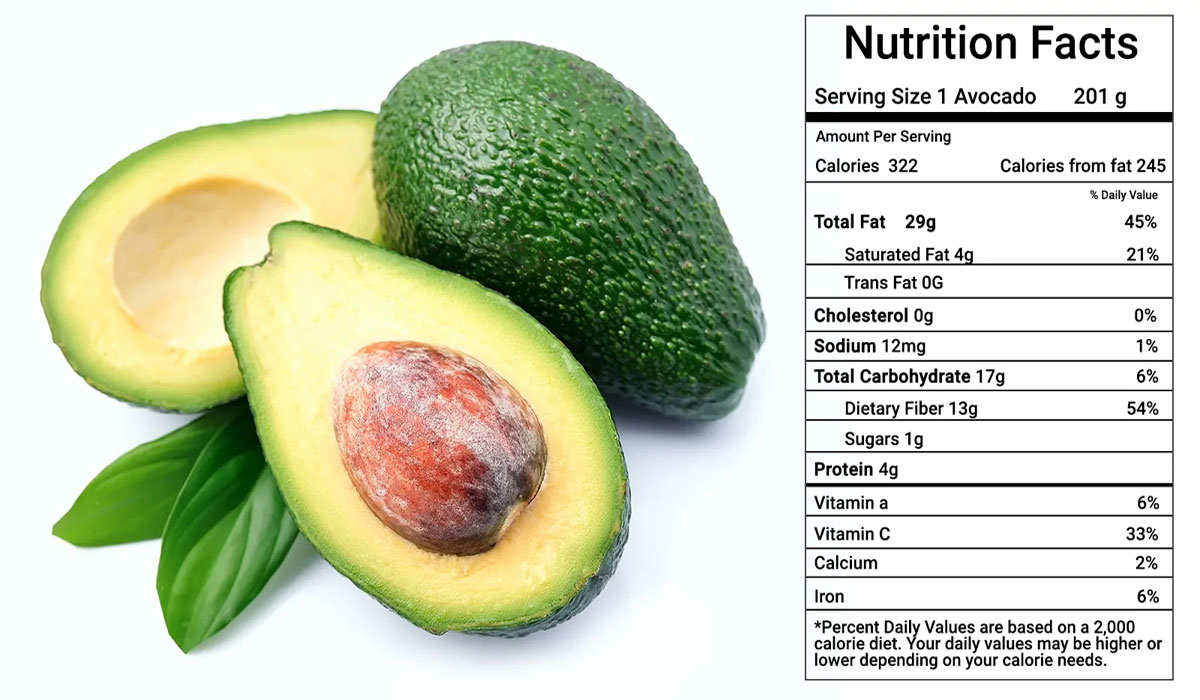
Embracing clean eating starts with knowing what to include and what to avoid. Foods to embrace include fresh vegetables, seasonal fruits, lean proteins like fish or chicken, legumes, whole grains, nuts, and healthy fats such as olive oil and avocado.
Conversely, foods to avoid are those high in added sugars, refined flours, artificial additives, and trans fats. Processed snacks, sugary beverages, fast foods.
Ultimately, clean eating is about balance. Occasional indulgences are fine, but the majority of your meals should focus on whole, unprocessed ingredients that nourish your body from the inside out.
Practical Tips for Daily Clean Eating
Transitioning to clean eating can feel overwhelming at first, but small, consistent steps make it manageable. Start by planning meals in advance, focusing on fresh ingredients and minimizing processed items.
Cooking at home is another effective strategy. Preparing meals from scratch allows control over ingredients, portion sizes, and flavoring.
Finally, focus on hydration. Water supports digestion, detoxification, and overall energy. Avoid sugary drinks and replace them with herbal teas, infused water, or simply plain water to stay refreshed and nourished throughout the day.
Long-Term Lifestyle Transformation
Clean eating is not a short-term fix it’s a lifestyle change that delivers lasting benefits. Over time, consistent healthy eating habits lead to better weight management, improved heart health, and reduced risk of chronic diseases like diabetes and hypertension.
It also fosters a positive relationship with food. Instead of viewing meals as indulgences or restrictions, you begin to see them as fuel for your body, mind, and spirit.
Ultimately, adopting clean eating helps create a foundation for overall wellness. It empowers individuals to take control of their health, make informed food choices, and experience the full benefits of living a cleaner, healthier lifestyle.
Image Information Source:
- Main Image from theguardian.com
- Second Image from iflscience.com




Leave a Reply