
Some “healthy foods” may harm your diet without you knowing, discover hidden risks that could ruin your results fast!
You might think you’re eating healthy, but what if some of those foods are actually sabotaging your progress? Many popular “healthy” choices hide surprising downsides that can slow your results or even backfire.
Before you take another bite, there are important facts you need to know that could completely change how you see your daily diet stay tuned Health Zoom Hub.
The Illusion Of “Healthy” Foods
Many people believe that choosing foods labeled as “healthy” automatically leads to better results. Supermarket shelves are filled with products that promise weight loss, better digestion, and improved energy. However, not all of these claims reflect reality. Some foods are marketed cleverly to appear healthier than they truly are.
In fact, the term “healthy” is often loosely regulated in many countries. This allows brands to use it for products that still contain high sugar, sodium, or processed ingredients. As a result, consumers may unknowingly consume items that don’t align with their goals.
Understanding the difference between marketing and real nutrition is essential. Without this awareness, it becomes easy to fall into traps that can slow progress or even harm overall health in the long run.
Hidden Sugars In “Healthy” Choices
One of the biggest issues with so-called healthy foods is hidden sugar. Products like granola bars, flavored yogurt, and fruit juices often contain high levels of added sugar. While they may appear nutritious, they can spike blood sugar levels quickly.
Manufacturers sometimes use alternative names such as cane syrup, fructose, or maltose to disguise sugar content. This makes it difficult for consumers to recognize how much sugar they are actually consuming in a day.
Over time, excessive sugar intake can lead to weight gain, fatigue, and even metabolic issues. This is why reading ingredient labels carefully is crucial when selecting foods that support a balanced diet.
Also Read: The Secret Healthy Foods Celebrities Don’t Want You To Know About
Low-Fat Doesn’t Always Mean Healthy
Low-fat products are often seen as better options, especially for those trying to lose weight. However, removing fat from food often means adding sugar or artificial ingredients to maintain flavor. This can reduce the overall nutritional value.
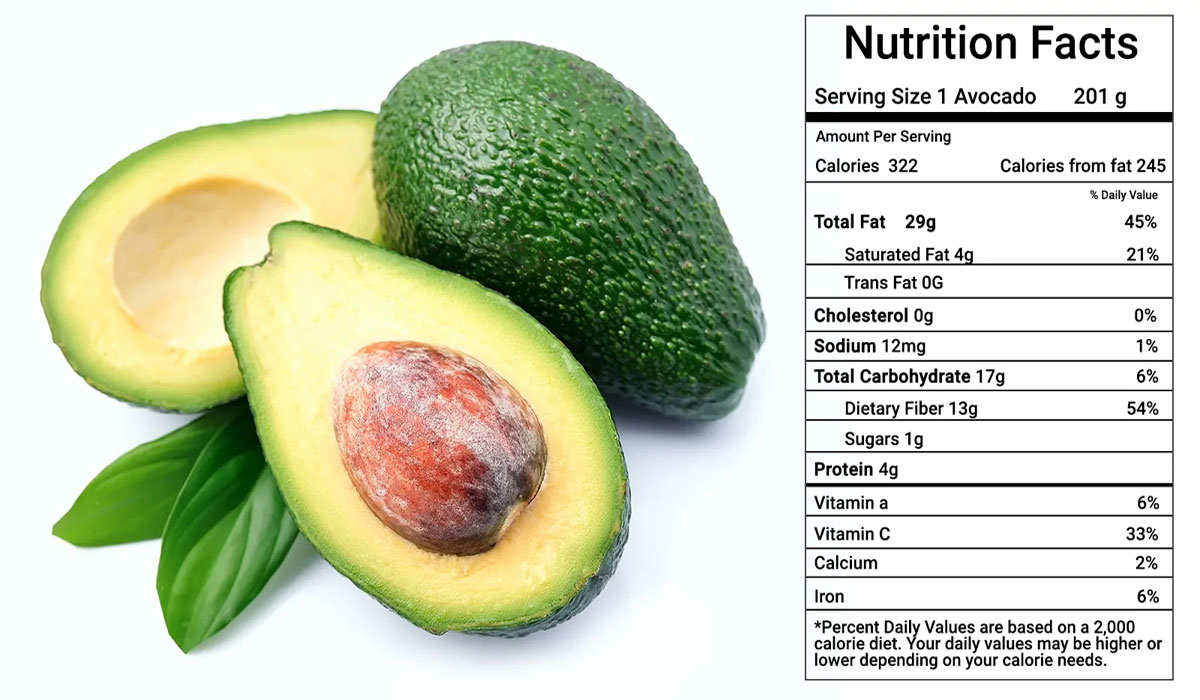
Healthy fats are actually essential for the body. They support brain function, hormone balance, and long-lasting energy. Avoiding fats entirely can lead to nutrient deficiencies and increased hunger.
Instead of focusing only on low-fat labels, it is better to choose foods with natural, unprocessed fats. Examples include avocados, nuts, and olive oil, which provide real benefits without hidden risks.
Processed “Health” Foods And Their Impact
Many packaged foods marketed as healthy are still highly processed. Protein bars, meal replacements, and diet snacks often contain preservatives, artificial flavors, and additives that are not ideal for long-term health.
Processing can strip foods of their natural nutrients while adding chemicals to extend shelf life. This means you may not be getting the vitamins and minerals your body actually needs.
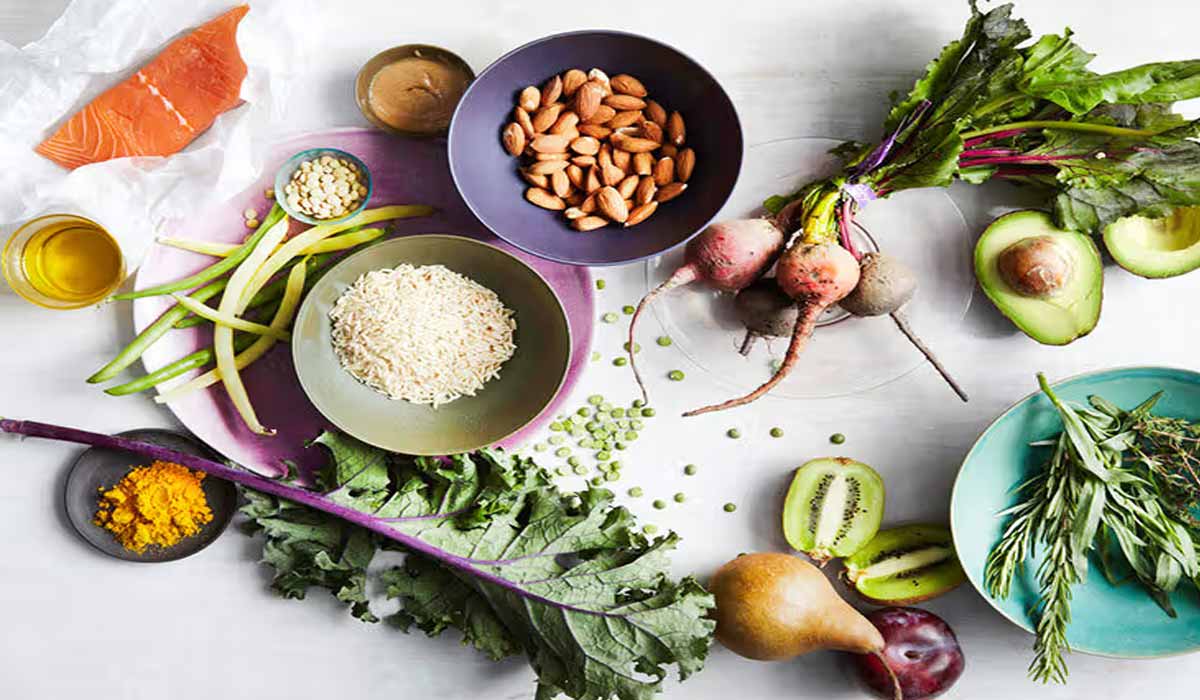
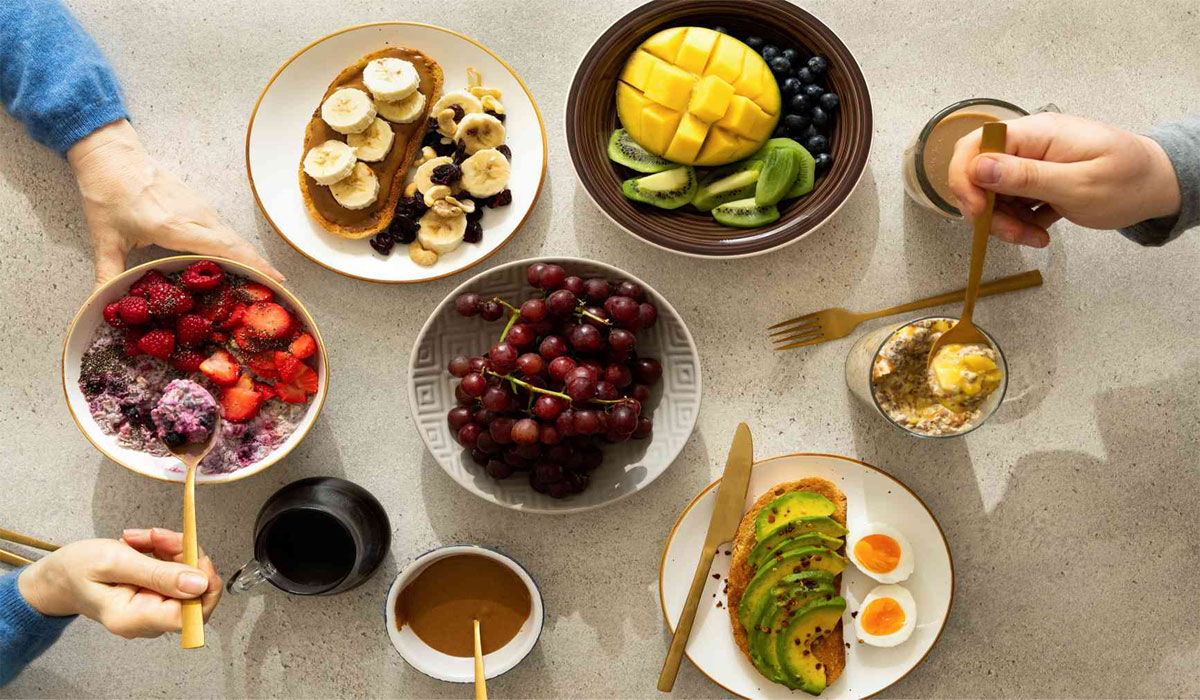
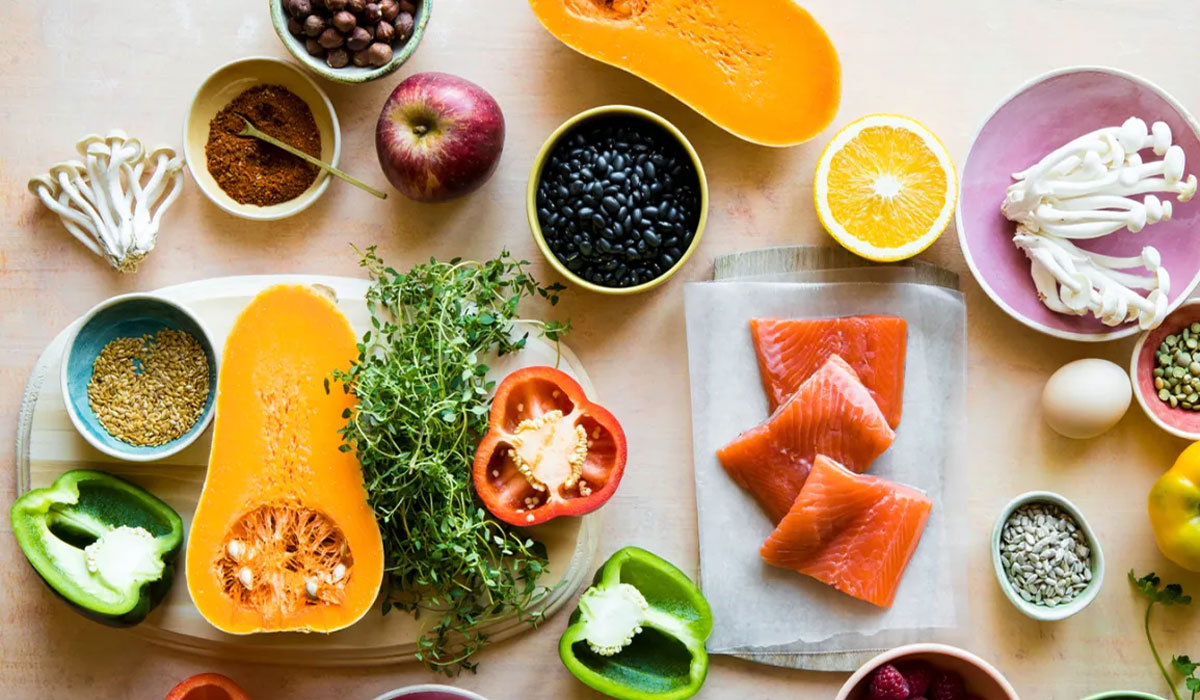
Whole foods such as vegetables, fruits, whole grains, and lean proteins remain the best choices. They provide natural nutrients without the hidden downsides found in heavily processed options.
Making Smarter Food Choices
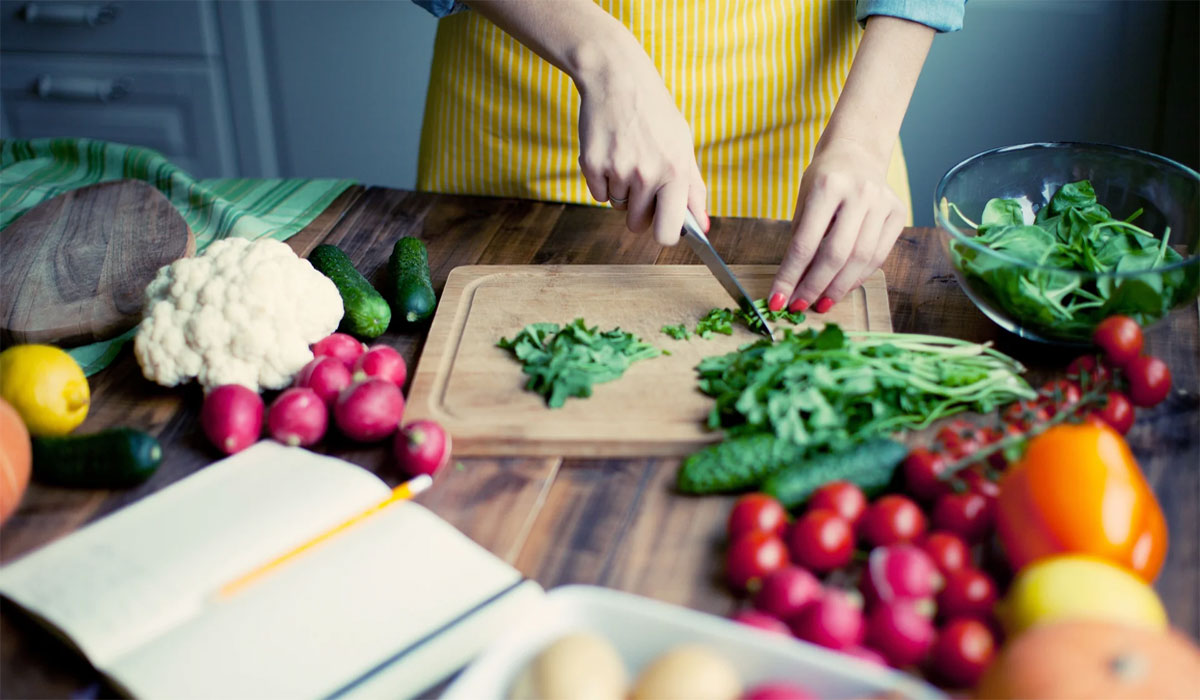
To truly eat healthy, it’s important to focus on whole, minimally processed foods. Fresh ingredients offer more nutritional value and fewer hidden risks compared to packaged alternatives.
Reading labels, understanding ingredients, and being mindful of marketing claims can help you make better decisions. Small changes in awareness can lead to significant improvements in your overall health.
Ultimately, a balanced diet is not about following trends but about making informed choices. By knowing what to avoid and what to prioritize, you can build a sustainable and effective approach to healthy eating.
Image Source:
- First Image from resepdietsehat.com
- Second Image from pastisania.com

Leave a Reply