
Discover shocking truths behind popular fitness methods and uncover whether common training advice is helping or misleading you.
Yet behind the polished transformations and viral training programs, questions are emerging about what really works and what may be misleading. Could some of the most popular fitness methods be based on half-truths or misunderstood science? This deep dive explores the hidden realities behind modern training culture, separating proven strategies from widely accepted myths that might be holding people back from real progress. See and follow the complete information only at Health Zoom Hub.
Why Fitness Trends Spread So Fast?
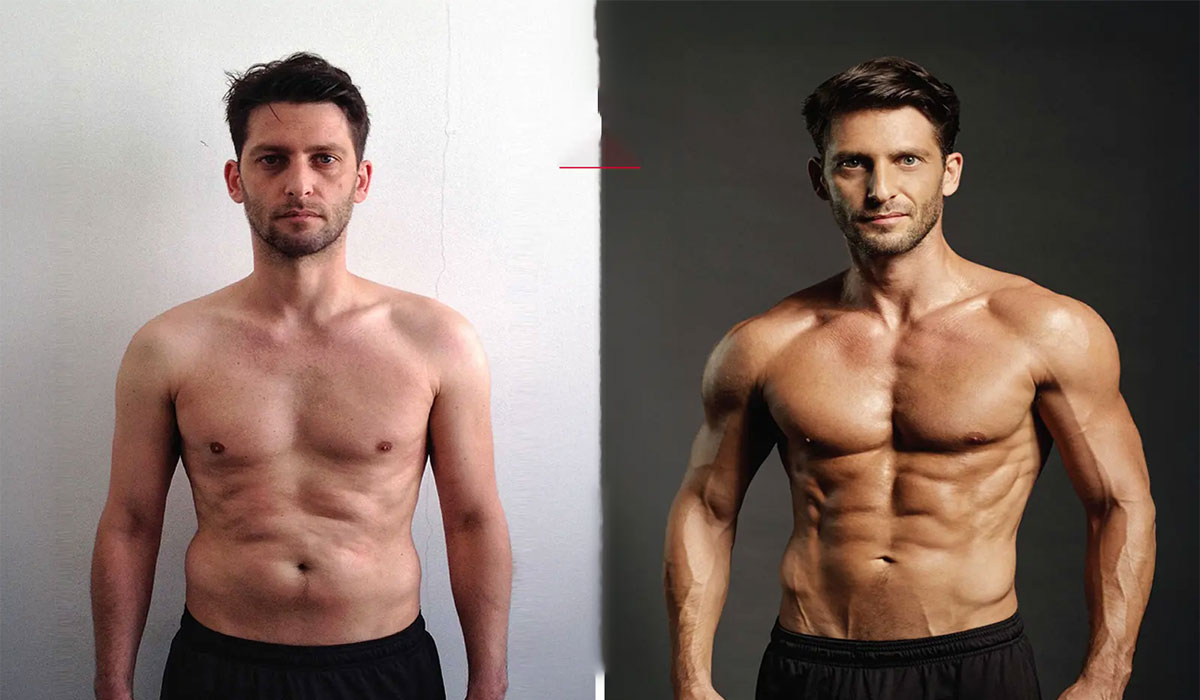
Fitness trends often spread rapidly because they promise simple solutions to complex goals. Social media amplifies short, impressive clips that make results look instant and effortless. People are naturally drawn to transformation stories. Seeing dramatic before-and-after results creates the belief that similar outcomes are easily achievable.
Marketing also plays a major role in shaping perception. Programs are often designed with catchy promises that attract attention rather than explain realistic timelines. As these trends circulate, they become accepted as “normal,” even when they lack strong scientific support or long-term validation.
What Your Workout Might Be Missing
Many people focus heavily on exercise selection but overlook the importance of structure. Without a clear plan, workouts may not deliver consistent progress. Recovery is often underestimated. The body needs time to adapt, and without proper rest, performance can actually decline instead of improve.
Nutrition also plays a silent but powerful role in fitness results. Even the best training program can fail if the body lacks proper fuel. These missing elements are why some individuals train hard for months yet see minimal changes in strength or physique.
Also Read: Shocking Nutrition Facts That Could Be Harming Your Body Every Day
Where Science Agrees And Disagrees
Scientific research supports certain core principles such as progressive overload and consistency. These remain the foundation of effective training. However, science does not support many extreme claims made by popular fitness programs. Quick fixes and guaranteed transformations are rarely realistic.
There is also disagreement about optimal training styles. Some methods work better for certain individuals depending on genetics, lifestyle, and experience level. This means there is no single “perfect” workout system that works for everyone in every situation.
The Pressure Behind Perfect Bodies
Modern fitness culture often promotes unrealistic body standards. Social media highlights ideal physiques while hiding the long process behind them. This creates pressure for people to achieve results quickly, even when their bodies need time to adapt naturally.
Comparing oneself to online influencers can lead to frustration and inconsistent training habits. Many people switch programs too often as a result. The reality is that sustainable progress is usually slower and less dramatic than what is shown online.
Building Smarter Training Habits
A smarter approach to fitness focuses on long-term consistency rather than short-term intensity. Small improvements over time create lasting change. Understanding basic training principles helps individuals make better decisions about which programs to follow and which claims to question.
Working with credible guidance can also reduce confusion and improve results by providing structure and accountability. Ultimately, real fitness success is built on patience, not hype. Sustainable habits always outperform viral shortcuts.
Image Information Source:
- First Image of v3apparel.com
- Second Image of v3apparel.com





Leave a Reply